A Guide to Material Selection and A Guide to Material Selection and What are Sachets for Preserving Product Integrity for Preserving Product Integrity
Have you ever wondered how certain products maintain their integrity and freshness until they reach your hands? The secret often lies in the packaging, specifically in small sealed packets known as sachets.
Sachets are designed for one-time use and are commonly found in various industries, including food, cosmetics, and pharmaceuticals. They contain a single serving or application of a product, ensuring that the contents remain fresh and effective.
As you explore the world of packaging, understanding what are sachets and their role in preserving product integrity becomes crucial. Sachets play a significant role in maintaining product quality, and their importance cannot be overstated.
What are Sachets – Key Takeaways
- Sachets are small sealed packets containing a single serving of a product.
- They are used across various industries for preserving product freshness.
- Sachets are designed for one-time use, enhancing convenience.
- Their use contributes to maintaining product integrity.
- Sachets are a crucial component in packaging solutions.
What Are Sachets and Their Function in Packaging?
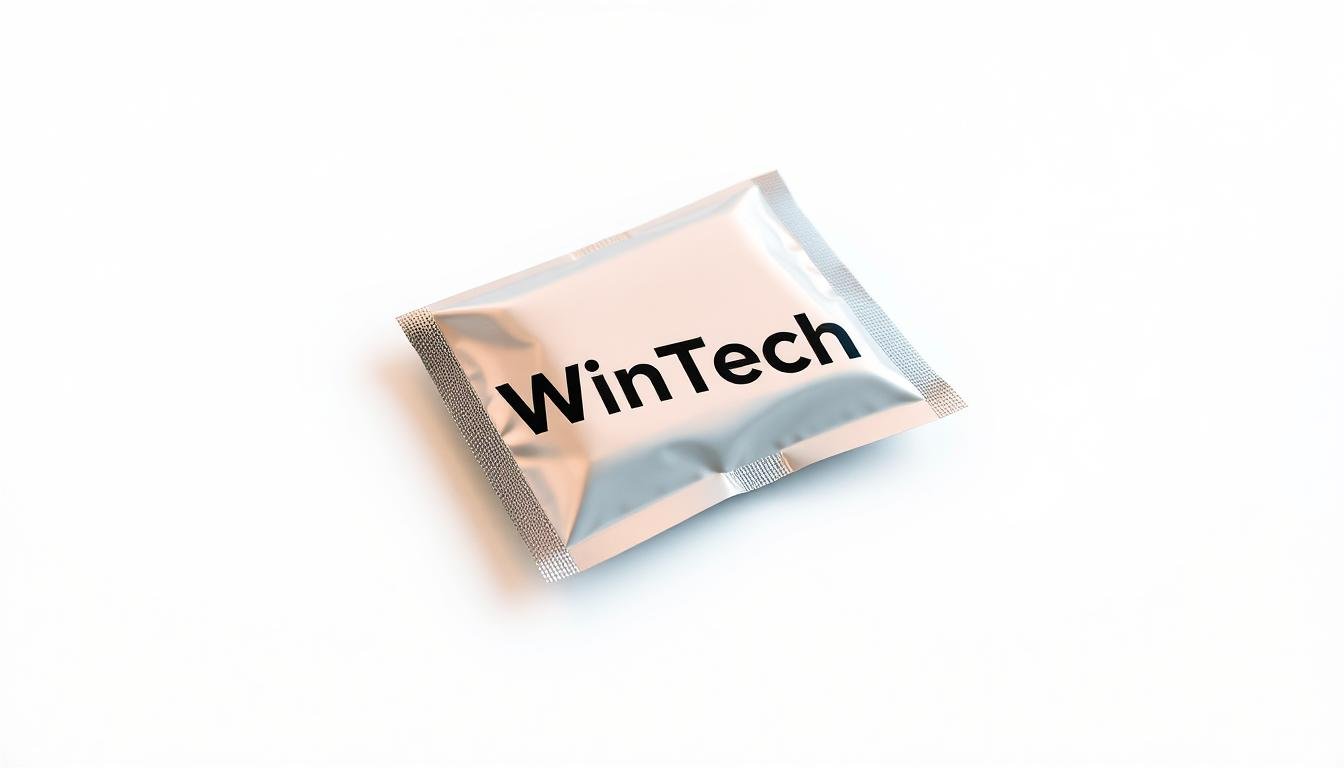
What are sachets, and how do they contribute to the packaging industry? Sachets are small, sealed packets used to package a variety of products, including food, cosmetics, and pharmaceuticals. They are designed to preserve product integrity by protecting the contents from moisture, oxygen, and other environmental factors.

The Definition of Sachets
Sachets are typically made from flexible materials, such as plastic, foil, or paper, and are designed to be compact and convenient. They are often used for single-serve portions or as a sampling tool to introduce customers to new products. The definition of sachets highlights their versatility and adaptability in various packaging applications.
When considering what are sachets, it’s essential to understand their construction and the materials used in their production. The materials used for sachets can vary depending on the product being packaged and the desired level of protection.
Benefits of Using Sachets
The benefits of using sachets include their convenience, cost-effectiveness, and ability to extend product shelf life. Sachets are also an attractive option for businesses looking to reduce packaging waste and minimize environmental impact. By using sachets, companies can provide customers with a convenient and portable packaging solution.
- Convenience: Sachets are easy to use and provide a single-serve portion, making them ideal for on-the-go consumption.
- Cost-effectiveness: Sachets are often less expensive to produce than traditional packaging formats.
- Extended shelf life: Sachets can help to preserve product freshness by protecting the contents from environmental factors.
Common Applications of Sachets
Sachets are used in various industries, including food, cosmetics, and pharmaceuticals. In the food industry, sachets are used to package condiments, seasonings, and other ingredients. In the cosmetics industry, sachets are used to package samples of creams, lotions, and other personal care products.
When it comes to sachet production, manufacturers must consider factors such as material selection, design, and printing. The production process involves converting raw materials into finished sachets, which are then filled with the desired product.
By understanding what are sachets and their function in packaging, businesses can make informed decisions about their packaging needs and choose the best solution for their products.
Choosing the Right Material for What Are Sachets
When it comes to what are sachets, the material used is of paramount importance. The integrity of the product being packaged depends significantly on the sachet’s material. You need to consider various factors to ensure that the chosen material aligns with the product’s requirements and the intended use of the sachet.
Factors to Consider
Several factors come into play when selecting the material for what are sachets. You must consider the product’s sensitivity to moisture, light, or oxygen, as well as the sachet’s intended use and the target market. For instance, if the product is sensitive to moisture, you may need to opt for a material that provides a high barrier against moisture.
The sachet market is diverse, with various industries utilizing sachets for packaging. Understanding the specific needs of your industry and the preferences of your target market is crucial. The sachet industry is continually evolving, with new materials and technologies being developed to meet the changing demands of consumers and manufacturers alike.
Different Materials Used
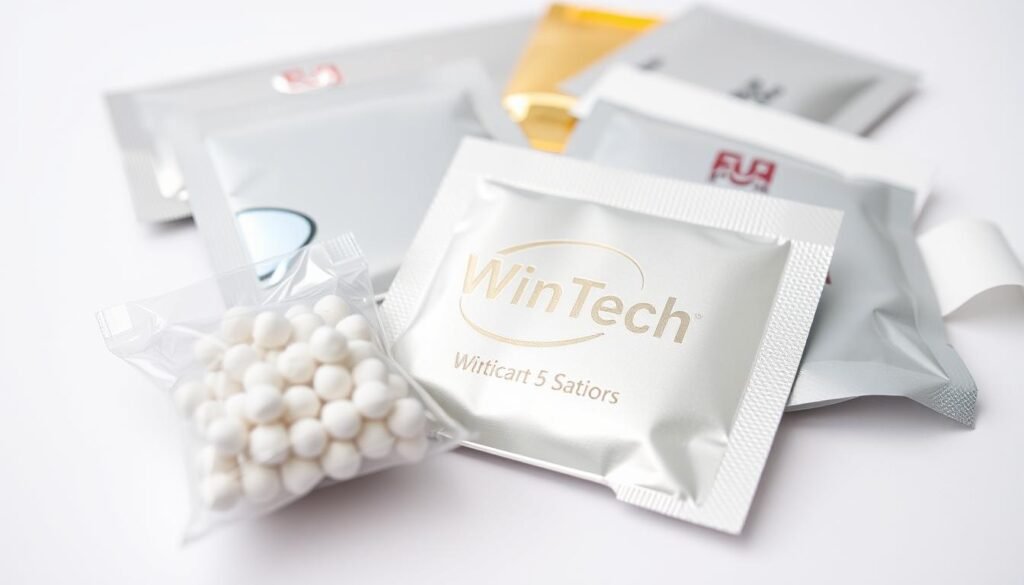
The materials used for what are sachets can vary widely, including paper, plastic, foil, and combinations thereof. Each material has its advantages and disadvantages. For example, paper is biodegradable and can be more environmentally friendly, but it may not provide the same level of barrier protection as plastic or foil.
Plastic sachets are commonly used due to their flexibility, durability, and ability to be formulated to provide various barrier properties. Foil sachets, on the other hand, offer excellent barrier properties, including protection against light, moisture, and oxygen, making them ideal for sensitive products.
You should evaluate the specific requirements of your product and consider factors like cost, environmental impact, and consumer preferences when choosing the material for what are sachets. The right material can enhance the product’s shelf life, maintain its quality, and ultimately contribute to customer satisfaction.
Designing Custom What Are Sachets for Your Products
You need to consider several factors when designing custom what are sachets for your products. What are sachets, and how do they contribute to the packaging industry? Understanding what are sachets and their role in preserving product integrity is crucial for businesses.
Customization Importance
Customization in what are sachets is vital for meeting specific product requirements. The latest sachet trends show that unique packaging solutions are in high demand. You can benefit from custom what are sachets by enhancing your product’s packaging and user experience.
Design Approach
To approach designing your what are sachets, consider the material, size, and functionality. What are sachets made of, and how are they produced? You should also explore various sachet applications and sachet uses to determine the best design for your products.
By understanding what are sachets and their significance in packaging, you can create effective custom designs that meet your product needs and stay up-to-date with the latest sachet trends.